2024-Present
AVAILABLE VARIANTS

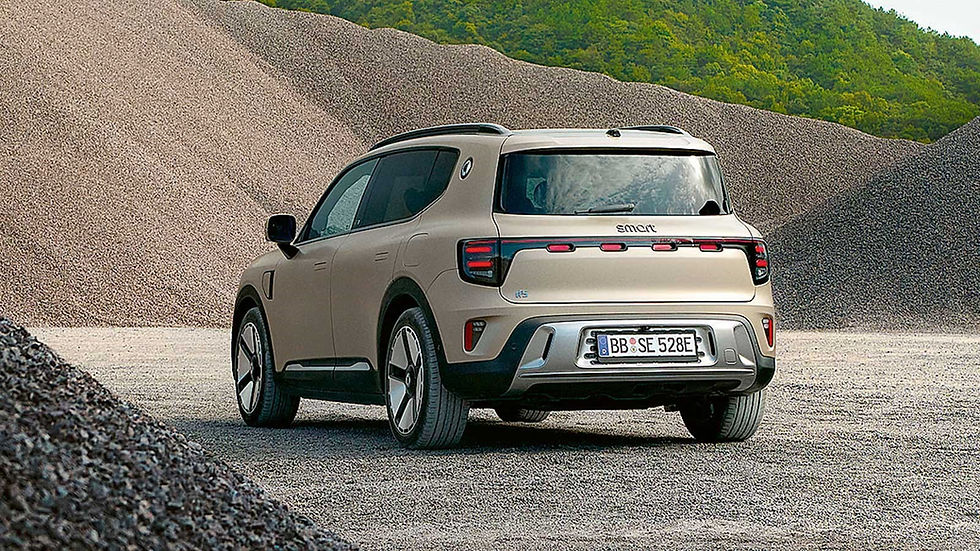


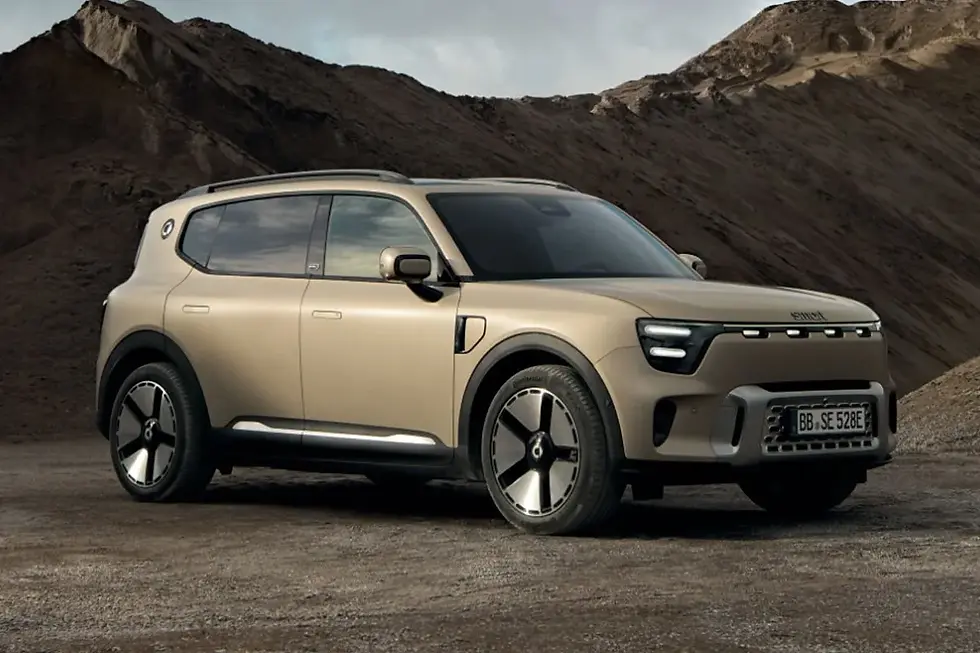

Gallery
Pro RWD
Power
340 hp
Torque
373 Nm
Top Speed
180 km/h
Acceleration 0-100 km/h
6.9 s
Range
465 km
Pro+ RWD
Power
363 hp
Torque
373 Nm
Top Speed
180 km/h
Acceleration 0-100 km/h
6.5 s
Range
590 km
Pulse AWD
Power
579 hp
Torque
643 Nm
Top Speed
180km/h
Acceleration 0-100 km/h
4.9 s
Range
540 km
Brabus AWD
Power
646 hp
Torque
710 Nm
Top Speed
210 km/h
Acceleration 0-100 km/h
3.8 s
Range
540 km
Engine Options
 ConceptAfter ending petrol car production in 2019, Mercedes-Benz partnered with Geely to reimagine Smart as a premium electric brand. The new direction was unveiled in 2019. |  DevelopmentBuilt on Geely's SEA platform, the new Smart share technology with Volvo. Design remained European under Mercedes supervision. |  ProductionThe Smart #1 launched in 2022, followed by the sportier #3 coupé-crossover in 2023. Production takes place in China at Geely facilities. |
|---|---|---|
 LegacyThe new generation represents Smart's biggest transformation ever—from urban microcars to premium electric crossovers, targeting a completely different market segment. |
History: From Concept to Production
Common Problems
Every car has its quirks. Here are the most common issues reported by Smart #5 owners, along with solutions to help you address them.
Medium Risk
800V Ultra-Fast Charging Compatibility
Medium Risk
Software "Overload" (Triple Screen Setup)
Medium Risk
Air Suspension Calibration
Medium Risk
ADAS "Off-Road" Mode Conflicts
Low Risk
All-Terrain Accessory Noise
Low Risk
Pop-out Door Handle Mechanism
Buying Guide
High-Voltage & Charging
800V vs 400V Architecture: Most trims feature the 800V system (18 mins for 10-80% charge). However, verify the Pro trim specs, as entry-level versions may use 400V tech, which charges significantly slower.
Battery Chemistry (74kWh vs 100kWh): Check the battery type. The 74kWh uses LFP (great for daily 100% charging), while the 100kWh NCM battery offers better cold-weather performance and longer range (up to 366 miles).
V2L (Vehicle-to-Load) Adapter: The #5 supports 3.3kW V2L to power external devices. Check if the physical adapter is included in the trunk, as it's often a separate accessory.
Pre-conditioning Logic: During your test drive, set a fast charger in the GPS. Ensure the car begins "battery pre-conditioning" immediately; if it doesn't, a software update is likely required.
Towing Capacity: Only the Summit Edition comes with an electrically retractable tow bar as standard. If you need to tow up to 1,600kg, check if this option was added to the build.
Software & Technology
Triple Screen Functionality: Test all three dashboard displays (10.3" cluster + dual 13" OLEDs). Check for "ghost touches" or lag when sliding between the infotainment and the passenger screen.
Sennheiser Audio System: Higher trims feature a 20-speaker Sennheiser system with Dolby Atmos. Test it at high volume; check for door panel rattles which can occur in early production units.
AR-HUD Clarity: The 25.6-inch Augmented Reality Head-Up Display is massive. Check for any "double vision" or blurring in the projection, especially if the windshield has been replaced with non-OEM glass.
Software Version (OTA): Go to settings and check the "Over-The-Air" update log. A car that hasn't been updated in months might indicate a faulty communication module (eSIM issue).
App Unbinding: Ensure the previous owner has "unbound" their account from the Hello Smart app. Without this, you won't be able to use the phone-as-a-key or remote climate features.
Exterior
Summit Edition Accessories: If buying the Summit Edition, inspect the side ladder, roof rack, and roof lights for tightness. These accessories are cool but can cause whistling if not installed perfectly.
Matrix LED High Beams: The #5 uses advanced split-lightbar LEDs. Test them against a wall to ensure all segments are firing; a single failed LED "pixel" usually means a full headlight replacement.
Frunk Latch (72L Storage): The front trunk is huge for an EV. Ensure the latch works smoothly and the rubber seal is intact, as moisture here can damage charging cables stored inside.
Panoramic "Halo" Roof: Inspect the glass roof for chips. Because it’s a structural part of the chassis, even a small crack can be an expensive insurance claim or a safety hazard.
21-inch Wheel Condition: Many #5s come with large, intricate alloys. Check the rims for heavy curbing; these wheels are aerodynamically optimized and expensive to refurbish or replace.
Interior & Various
Zero-Gravity Seat Mechanism: The passenger seat can fully recline into a "Zero-Gravity" position with a leg rest. Test the motor—it should be silent and smooth without any grinding noises.
Bed Mode Transformation: The #5 is designed for camping. Try folding the rear seats to ensure they sit perfectly flat to create the "makeshift bed" area as advertised.
Sustainable Material Wear: Check the Oak wood trim and the "leather-free" upholstery. Look for staining or "pilling" on the recycled fabric sections, especially on high-touch areas like the armrest.
Under-floor Storage: The boot has a massive 630L capacity. Lift the floorboards to check for the tire repair kit and ensure the storage bins underneath aren't damp.
256-Color Ambient Lighting: Cycle through the colors in the cabin. Ensure the strips under the floating center console match the dashboard colors; mismatched LEDs indicate a controller fault.

Explore some of many Smart car guides