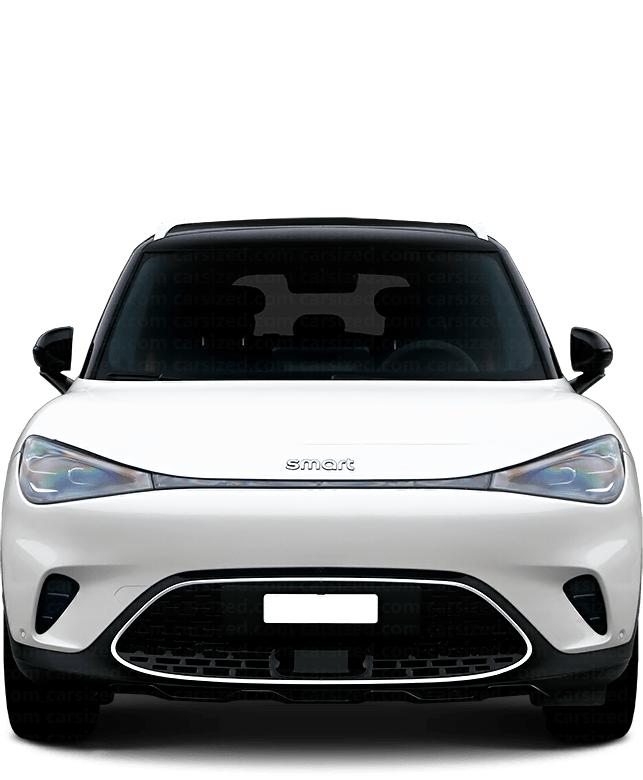
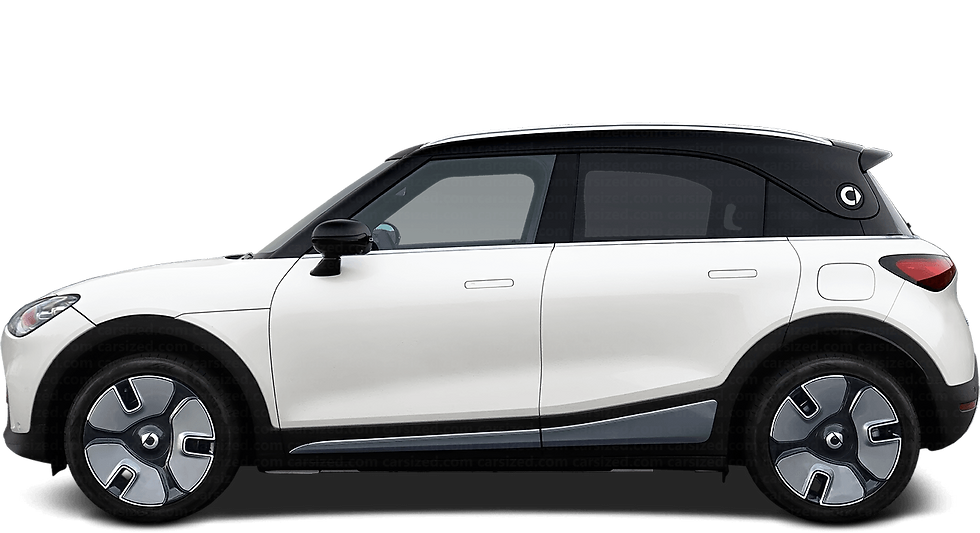


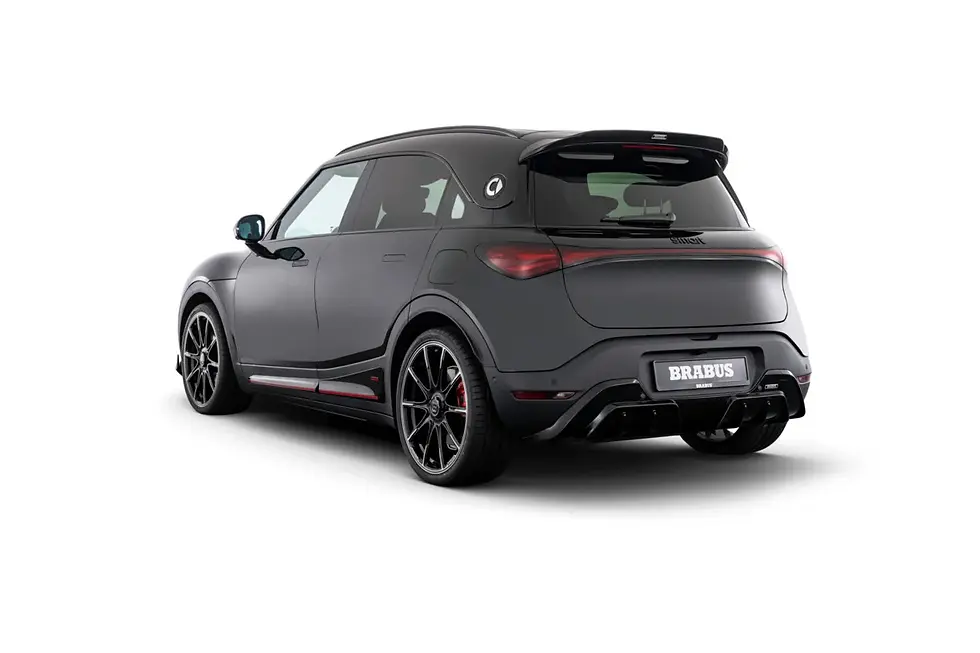


Gallery
Pure RWD
Power
272 hp
Torque
343 Nm
Top Speed
180 km/h
Acceleration 0-100 km/h
6.7 s
Range
310 km
Pro+ RWD
Power
272 hp
Torque
343 Nm
Top Speed
180 km/h
Acceleration 0-100 km/h
6.7 s
Range
420 km
Premium RWD
Power
272 hp
Torque
342 Nm
Top Speed
180km/h
Acceleration 0-100 km/h
6.7 s
Range
440 km
Brabus AWD
Power
428 hp
Torque
542 Nm
Top Speed
180 km/h
Acceleration 0-100 km/h
3.9 s
Range
400 km
Engine Options
 ConceptAfter ending petrol car production in 2019, Mercedes-Benz partnered with Geely to reimagine Smart as a premium electric brand. The new direction was unveiled in 2019. |  DevelopmentBuilt on Geely's SEA platform, the new Smart share technology with Volvo. Design remained European under Mercedes supervision. |  ProductionThe Smart #1 launched in 2022, followed by the sportier #3 coupé-crossover in 2023. Production takes place in China at Geely facilities. |
|---|---|---|
 LegacyThe new generation represents Smart's biggest transformation ever—from urban microcars to premium electric crossovers, targeting a completely different market segment. |
History: From Concept to Production
Common Problems
Every car has its quirks. Here are the most common issues reported by Smart #1 and #3 owners, along with solutions to help you address them.
High Risk
12V Battery "Deep Sleep" Issue
Medium Risk
Rear Motor Humming (Brabus/AWD models)
Medium Risk
Heat Pump Efficiency (Cold Weather)
Medium Risk
ADAS & "Phantom" Braking
Medium Risk
Infotainment & App Connectivity Bugs
Low Risk
Window Regulator "Squeak" or Jam
Buying Guide
High-Voltage & Charging
Charging Port Flap: Open and close the charging flap several times. On some early #1 models, the electronic latch can jam or feel flimsy.
On-Board Charger (AC): Check if the car supports 22kW AC charging (standard on Pulse/Premium/Brabus) or the slower 7.4kW (Pro/Pro+). This makes a huge difference in home charging speed.
DC Fast Charging Speed: Ask if the car has had any issues hitting the 150kW peak on rapid chargers. Constant slow charging on fast chargers may indicate a thermal management issue.
Battery Health (SoH): Use the car's menu (or a Bluetooth OBD scanner) to check the State of Health. For an EV only 1-2 years old, it should be at 98-100%.
Heat Pump Presence: Verify if the car is equipped with a Heat Pump (standard on higher trims). It significantly improves winter range and is a major resale factor.
Software & Technology
OTA (Over-The-Air) History: Go into the settings and check the "System Update" log. Ensure the car is on the latest firmware version to avoid known "Fox" avatar freezes.
Digital Key Stability: Test the Smart Digital Key on your phone. If it frequently disconnects or fails to unlock, it may need a software reset or a dealer visit.
ADAS Sensor Calibration: During the test drive, check if the Adaptive Cruise Control and Lane Assist work smoothly. If they "jerk" or disconnect randomly, sensors might be misaligned.
Connectivity (4G/5G): Ensure the car’s internal SIM card is active and the navigation maps/Spotify are loading correctly. Some units have had "eSIM" activation issues.
Hello Smart App Sync: Verify that the car is properly "unbound" from the previous owner's account so you can pair your phone immediately.
Exterior
Frameless Window Sealing: At highway speeds, listen for wind whistles. Frameless windows must "drop" slightly when opening; if they don't, the seal or regulator is faulty.
Electronic Door Handles: The flush-fitting handles should pop out smoothly when you approach. Listen for grinding noises which indicate a motor struggle.
Paint Thickness & Quality: Check the front bumper and hood for stone chips. Some owners have reported that the paint on the "Digital White" and "Atom Grey" finishes is quite thin.
Beats Audio Speakers: If equipped with the 13-speaker Beats system, listen for rattles in the door panels at high volume—some early #1s needed extra sound deadening.
Panoramic Roof Condition: Inspect the large glass roof for any chips or cracks. Since it’s a structural glass element, replacement is very expensive and requires specialized tools.
Interior & Various
Ambient Lighting Zones: Test the 64-color ambient lighting. Check that all strips (doors, dashboard, console) are working and the colors match perfectly.
Electric Seat Motors: Move the seats through their full range. On the #3, ensure the "Easy Entry" function (seat moving back) works without stuttering.
Head-Up Display (HUD): If the car has a HUD, check that it is clear and not blurry. Calibration issues can sometimes make the projection look tilted.
Center Console Heat: After a long drive, feel the wireless charging pad area. It can get very hot; ensure your phone actually charges and doesn't just overheat.
Frunk (Front Trunk) Seals: Open the small storage area under the hood. Check for moisture; the rubber seals here should keep your charging cables dry.

Explore some of many Smart car guides