1998-2007
Smart ForTwo 450
The Original Urban Pioneer
AVAILABLE VARIANTS
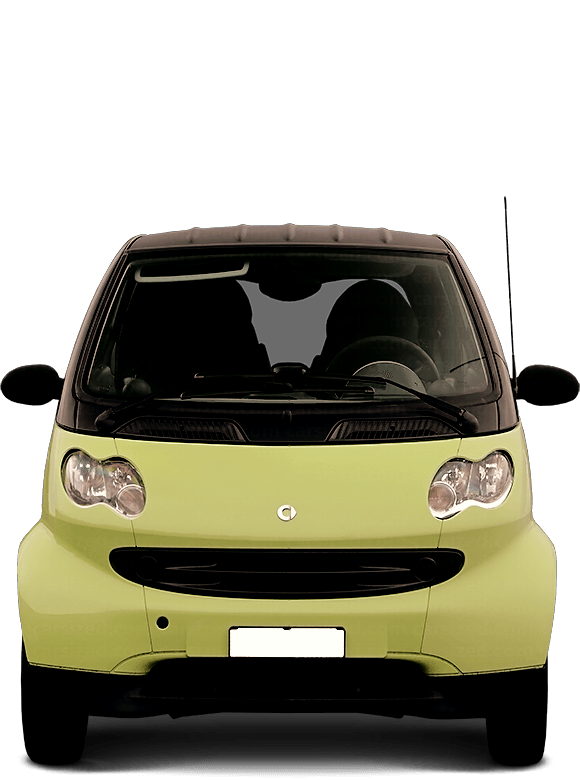
Front of Smart Fortwo 450 model

Smart Fortwo 450 Left Side View
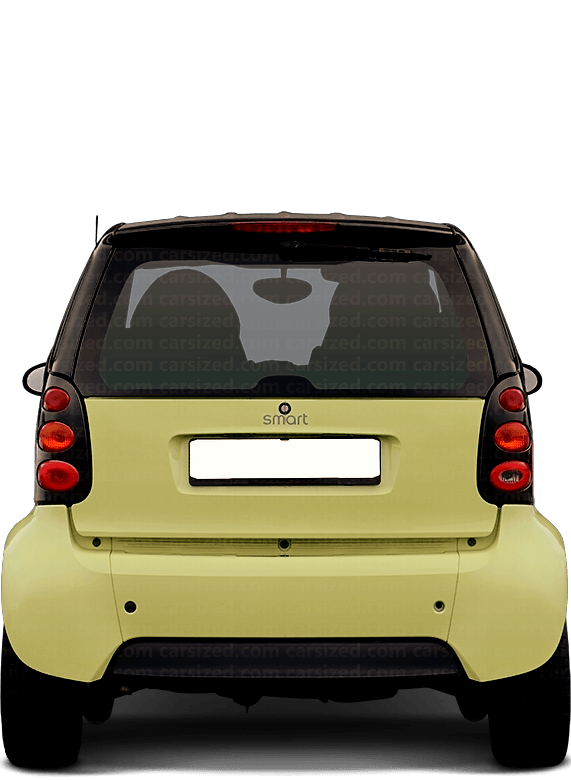
Smart Fortwo 450 Rear Side View
Front of Smart Fortwo 450 model


Gallery
Engine Options
0.6L Turbo
Displacement
599 cc
Power
49 hp @ 5,250 rpm
Torque
80 Nm @ 2,000 rpm
Top Speed
135 km/h
Acceleration 0-100 km/h
18.3 s
0.7L Turbo
Displacement
698cc
Power
61 hp @ 5,250 rpm
Torque
95 Nm @ 2,500 rpm
Top Speed
135 km/h
Acceleration 0-100 km/h
15.5 s
O.7L Brabus
Displacement
698cc
Power
74 hp @ 5,250 rpm
Torque
110 Nm @ 3,000 rpm
Top Speed
150 km/h
Acceleration 0-100 km/h
12.3 s
0.8L CDI
Displacement
799cc
Power
41 hp @ 4,200 rpm
Torque
100 Nm @ 1,800 rpm
Top Speed
135 km/h
Acceleration 0-100 km/h
19.8 s
History: From Concept to Production
 ConceptThe Smart concept originated in the early 1990s when Swatch CEO Nicolas Hayek envisioned a revolutionary city car. Originally called 'Swatchmobile', it combined watch-like customization with practical urban transport. |  DevelopmentMercedes-Benz joined the project in 1994. The partnership created MCC (Micro Compact Car GmbH). A purpose-built factory in Hambach, France used innovative modular assembly with supplier partners. |  ProductionProduction began in July 1998 with the Smart City-Coupé. The revolutionary Tridion safety cell and interchangeable body panels made it unique. Over 770,000 units were produced during the 450's run. It was amazing journey! |
|---|---|---|
 LegacyThe 450 established Smart as a genuine automotive brand and proved that microcars could be safe, stylish, and fun. Its DNA continues in every Smart model since, including unique version like Crossblade and Brabus. |
Common Problems
Every car has its quirks. Here are the most common issues reported by Smart Fortwo 450 owners, along with solutions to help you address them.
High Risk
Engine Internal Wear
High Risk
Relay Box Failure (Corrosion)
High Risk
SAM Unit Failure
Medium Risk
Intercooler Air Leak (Chafing)
Medium Risk
Cracked ABS Rings
Low Risk
Rear Quarter Window Leaks
Buying Guide
Mechanical
Engine Health (Petrol): Ask if the engine has been rebuilt. Most 0.6L/0.7L units require a rebuild every 100,000 km due to worn piston rings and burnt valves.
Turbo Check: Look for blue smoke from the exhaust or oil in the intercooler pipes. Turbos on these models are prone to hairline cracks in the manifold.
Transmission "3 Bars": While test driving, ensure the gear display doesn't show 3 horizontal lines. This indicates a Clutch Actuator failure or adjustment issue.
ABS Reluctor Rings: Inspect the rear driveshafts. If the rings are cracked or rusty, the ABS will trigger randomly, causing a "judder" when braking at low speeds.
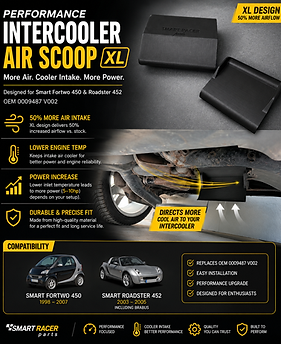
Intercooler Rubbing: Check the plastic air scoop; it often rubs a hole into the intercooler fins, causing a loss of boost.
Electrical
SAM / ZEE Unit Leaks: Feel the carpet in the passenger footwell (RHD) or driver footwell (LHD). If it's damp, water is leaking onto the fuse box, which causes "phantom" electrical glitches.
Earth Wires: Inspect the main engine ground strap. They corrode and snap, leading to the car refusing to start or showing a "no-can" error.
Key Fob Sync: Ensure both keys work. 450s are notorious for "losing" their key sync if the battery stays dead for too long.
Alternator Seizing: If the car has been sitting for months, the alternator often seizes. If you hear a squealing belt or the car won't turn over, this is likely the cause.
Dashboard "LCD Bleed": Check the instrument cluster for missing pixels or "bleeding" ink, a common age-related failure on early 450 displays.
Exterior
Snapped Front Springs: Inspect the front suspension height; these springs are famous for snapping at the top coil due to road salt and corrosion.
Door Handle Cable Stretch: Pull the exterior handles; if they feel loose or "long," the internal cable is about to snap—a common 450 maintenance headache.
Tridion Cell Rust: Check the door sills and rear wheel arches under the plastic panels; while the panels don't rust, the steel safety cell can.
Plastic Panel Cracks: Look for "spider-web" cracks in the polycarbonate body panels, especially near the clips on the front and rear bumpers.
Cabrio Roof Operation: If a Cabrio, ensure the roof moves smoothly without "clicking" noises, which signal stripped gears in the motor drive.
Interior & Various
AC Pipe Leaks: Check if the AC is cold. The aluminum pipes on the 450 are long and thin, often cracking near the engine due to vibration.
Seat Side Airbag Rips: Inspect the outer bolsters of the seats for tearing; damaged upholstery here can trigger an Airbag Warning Light on the dashboard.
Panoramic Roof "Crazing": On Coupes, check the plastic glass roof for tiny internal cracks (UV damage) that make the roof look "cloudy.
Interior Door Latches: Ensure the inner handles work smoothly; the plastic pivot points can snap if pulled too hard by passengers unfamiliar with the car.
Under-Seat Drawer: Check for the rare optional storage drawer under the driver's seat; its presence usually indicates a well-specced, cared-for car.

Explore some of many Smart car guides