A lightweight, mid-rear engine sports car designed for pure driving pleasure and go-kart handling. The most fun Smart ever made.

Smart Roadster Brabus Front View

Smart Roadster Brabus Side View

Smart Roadster Brabus Rear
Smart Roadster Brabus Front View

2003-2006
Smart Roadster 452
Pure Driving Pleasure
AVAILABLE VARIANTS


Gallery
Engine Options
45kw Version
Displacement
698 cc
Power
61 hp @ 5,250 rpm
Torque
95 Nm @ 2,500 rpm
Top Speed
160 km/h
Acceleration 0-100 km/h
13.5 s
60kW Version
Displacement
698cc
Power
80 hp @ 5,250 rpm
Torque
110 Nm @ 3,000 rpm
Top Speed
175 km/h
Acceleration 0-100 km/h
10.9s
Brabus
Displacement
698cc
Power
101 hp @ 5,600 rpm
Torque
120 Nm @ 3,500 rpm
Top Speed
190 km/h
Acceleration 0-100 km/h
9.2 s
V6 BiTurbo
Displacement
1396 cc
Power
170 hp @ 5,200 rpm
Torque
220 Nm @ 3,000 rpm
Top Speed
210 km/h
Acceleration 0-100 km/h
6.9 s
 ConceptThe Roadster concept was first shown at the 2000 Paris Motor Show. Designed by Jens Manske, it promised an affordable sports car experience. |  DevelopmentDevelopment focused on maximizing handling and driving enjoyment. The mid-engine layout provided near-perfect 40:60 weight distribution. The Targa roof system offered multiple configurations. |  ProductionProduction ran from April 2003 to November 2005. Despite critical acclaim, only 43,091 units were built before Mercedes pulled the plug due to warranty costs. |
|---|---|---|
 LegacyThe Roadster became an instant cult classic. Today, well-maintained examples command premium prices. The Roadster Coupé with its distinctive fastback styling is particularly sought after. |
History: From Concept to Production
Common Problems
Every car has its quirks. Here are the most common issues reported by Smart Roadster owners, along with solutions to help you address them.
High Risk
Severe Water Ingress
High Risk
SAM Unit Failure
High Risk
Cracked Turbo Manifold
Medium Risk
Soft Top Roof Failure
Medium Risk
Air Conditioning Pipe Snapping
Low Risk
Broken Front Coil Springs
Buying Guide
Mechanical
Turbocharger Cracks: The 700cc engine runs higher boost than the Fortwo. Check the exhaust manifold for hairline cracks. If you hear a "whistling" or "puffing" sound under acceleration, the manifold or turbo housing is likely failing.
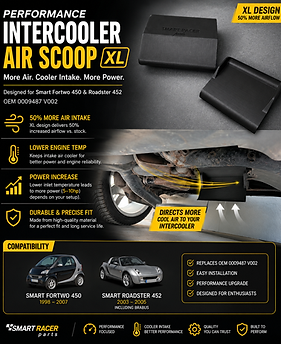
Intercooler Leaks: The intercooler is air-cooled and sits in a plastic scoop. Over time, the plastic vibrates against the aluminum fins, rubbing a hole in the core. Look for oily residue on the intercooler pipes.
Tipping/Gearbox Lag: Roadsters are notorious for slow gear changes. Ask if it has a "Remap" or if the clutch actuator has been adjusted recently. If the gear changes feel excessively "clunky," the actuator is likely dry or failing.
Engine Longevity: Like the 450, 45kW engines often need a rebuild around 100,000 km due to oil consumption. Check for blue smoke during a cold start or heavy acceleration.
Snap-Ring Front Springs: Roadster front springs are famous for snapping at the top coil due to road salt and corrosion. Listen for a "twang" or "boing" sound when turning the steering wheel at low speeds.
Electrical
SAM Unit Water Damage: This is the #1 Roadster Killer. Water leaks from the bulkhead or wiper tray onto the SAM (fuse box). Look for "phantom" electrical glitches like wipers starting on their own or the car refusing to start.
Airbag Warning Light: The wiring under the seats is fragile. Moving the seats back and forth can pull the connectors loose, triggering a permanent Airbag light on the dash.
Key Fob Synchronization: Roadsters "forget" their keys if the battery stays dead for too long. Ensure the car comes with two keys and that both can lock/unlock and start the engine.
Electric Roof Motors: The soft-top roof uses two motors. If you hear a "grinding" or "skipping" sound, the drive gears are stripped or the cables have stretched.
Alternator Seizing: If the car has been sitting for weeks, the alternator often seizes up. If the car won't turn over and you hear a squealing belt, this is the culprit.
Exterior
The "Bulkhead" Leak: Check the carpets in both footwells. If they are damp, water is entering through the wiper tray or the wing-mirror seals. This is the most common reason Roadsters are written off.
Soft-Top Shrinkage: The fabric roof can shrink over time, causing gaps at the side seals. Test it with a hose (or look for water stains on the seats) to see if it’s still watertight.
Headlight "Misting": The seal on the triple-pod headlights often fails, leading to condensation inside the lenses. This can eventually corrode the bulbs and connectors.
Tridion Cell Rust: While the panels are plastic, the steel Tridion cell underneath can rust, especially behind the side skirts and inside the rear wheel arches.
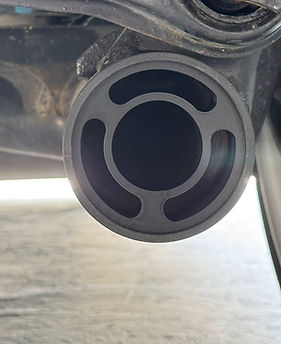
De-dion tube can rust, check at rear for rust spots, this is not deal breaker
Interior & Various
AC Pipe Fractures: The aluminum AC pipes are very long and vibrate heavily. They almost always crack near the engine bay. If the AC isn't ice-cold, the pipes likely need replacing or welding.
Paddle Shift Steering Wheel: Many Roadsters had the optional paddle-shift wheel. Ensure the paddles work in "Manual" mode; if not, the clock-spring (squib) in the steering wheel may be broken.
Under-Dash Storage: Check for the optional "CD holders" or the central armrest. These are high-value interior accessories for collectors.
Seat Bolster Wear: The Roadster sits very low, so the driver’s side bolster takes a beating. Check for tearing or collapsed foam on the outer edge of the seat.
Rear Boot (Trunk) Heat: Because the engine is directly under the rear boot, it gets very hot. Check that the insulation mat is still there, otherwise, you can't carry groceries back there!

Explore some of many Smart car guides