2007-2014
Smart ForTwo 451
Evolution of Urban Excellence
AVAILABLE VARIANTS

Smart Fortwo 451 Front

Smart Fortwo 451 Left Side

Smart Fortwo 451 Rear
Smart Fortwo 451 Front



Gallery
Engine Options
1.0L MHD
Displacement
999 cc
Power
61 hp @ 5,500 rpm
Torque
92 Nm @ 4,500 rpm
Top Speed
145 km/h
Acceleration 0-100 km/h
16.5 s
1.0L Turbo
Displacement
999 cc
Power
84 hp @ 5,500 rpm
Torque
120 Nm @ 2,500 rpm
Top Speed
155 km/h
Acceleration 0-100 km/h
10.7 s
1.0L Brabus
Displacement
999 cc
Power
102 hp @ 5,500 rpm
Torque
147 Nm @ 3,500 rpm
Top Speed
165 km/h
Acceleration 0-100 km/h
8.9 s
Electric Drive
Displacement
/
Power
75 hp
Torque
130 Nm
Top Speed
125 km/h
Acceleration 0-100 km/h
11.5 s
History: From Concept to Production
 Smart Fortwo 451Building on the 450's success, Smart began developing the second generation in 2003. The goal was to address criticism while maintaining the brand's core values of urban practicality and unique design. |  Smart Fortwo 451 EngineMercedes partnered with Mitsubishi for new 3-cylinder engines, providing better refinement and power. The platform was stretched to improve stability and interior space while maintaining the compact footprint. |  First Smart Fortwo 451The 451 launched in 2007 with immediate improvements in ride quality and safety. The introduction of the Electric Drive variant in 2012 made Smart a pioneer in urban electric mobility which continues until today. |
|---|---|---|
 Smart Fortwo 451 Electric DriveThe 451 proved Smart could evolve while staying true to its roots. It introduced many buyers to electric vehicles and established the brand's commitment to sustainable urban transport. Brabus versions were available in many variants. |
Common Problems
Every car has its quirks. Here are the most common issues reported by Smart Fortwo 451 owners, along with solutions to help you address them.
High Risk
MHD Drive Belt Failure
High Risk
Transmission Fault (3 Bars)
High Risk
SAM Unit Water Damage
Medium Risk
Heater Blower Motor Failure
Medium Risk
Lambda Sensor (O2) Fault
Low Risk
Exterior Door Handle Failure
Buying Guide
Mechanical
Clutch Actuator Adjustment: Unlike the 450, the 451 often just needs a mechanical adjustment. Ask the owner if they’ve ever had the actuator "re-greased" or moved closer to the clutch fork to prevent the "3 Bars" gear error.
MHD Starter-Generator Belt: For European models with "ECO" mode, check if the belt and the modified pivot bolt have been replaced. If this belt snaps, the water pump stops, and the engine can overheat in under a minute.
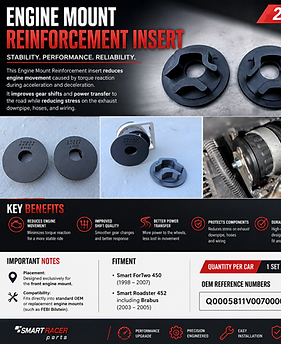
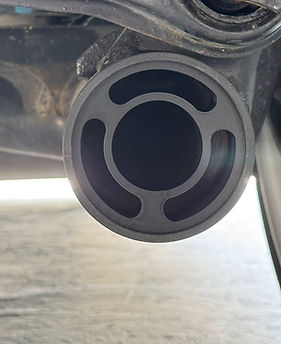
Engine Mount (Lower): Inspect the center "dog bone" mount. If the car vibrates excessively at idle or "thuds" when shifting into Reverse, the rubber has likely torn.
Exhaust Flex Pipe: Listen for a loud "tractor" sound from the rear. The flexible braided section of the 451 exhaust is prone to cracking, which can lead to exhaust fumes entering the cabin.
Oil Consumption (Mitsubishi Engine): While more reliable than the 450, high-mileage 451 units can start to consume oil. Ask for service records to ensure it hasn't been run "dry."
Electrical
Blower Motor Resistor: Test the AC/Heater on all speeds. If it only works on "4," the resistor has burned out—usually caused by a clogged cabin filter.
Main Earth Wire: Inspect the braided ground strap connecting the engine to the chassis. If it looks green or frayed, the car will suffer from "no-start" issues or random dashboard warnings.
Battery Drain: Ask if the battery stays charged. The 451's internal radio or a faulty door latch can sometimes keep the car's computer "awake," draining the battery overnight.
Headlight Bulb Access: Check if the bulbs are working. On the 451, they are notoriously difficult to change through the wheel arch liners; if they are out, use it as a negotiation point!
ESP/ABS Sensors: If the yellow triangle is on, it’s often a dirty wheel speed sensor or a cracked reluctor ring on the rear axle, which disables traction control.
Exterior
Door Handle Cables: Pull both exterior handles. If they feel "loose" or you have to pull them to the very end to open the door, the internal steel cable is about to snap or has slipped its clip.
Panoramic Roof "Crazing": Look closely at the plastic roof under direct light. You may see thousands of tiny internal "spider-web" cracks caused by UV damage. It’s cosmetic, but it can’t be polished out.
Service Flap Clips: The front "bonnet" is just a plastic flap held by two plastic locks. Ensure they turn smoothly; they often get brittle and snap, leaving the flap loose at high speeds.
Tire Wear (Alignment): Check the front tires for uneven wear on the inside edges. 451s are sensitive to alignment, and worn bushings can lead to "darty" steering.
Convertible Roof (Cabrio): If it's a Cabrio, listen for a "grinding" noise when opening. This indicates the drive gears are slipping or the cables need professional lubrication.
Interior & Various
Gear Shifter Button: Ensure the button on the side of the shifter clicks firmly. If it feels mushy, the internal plastic trigger is breaking, which can prevent the car from shifting into Drive.
Under-Seat Storage: Check if the optional sliding drawer is under the driver's seat. It's a rare and highly sought-after factory accessory for 451 owners.
Dashboard "LCD Bleed": Inspect the center display for dark spots or missing pixels. This is a common age-related failure on early (2007-2010) instrument clusters.
AC Pipe Corrosion: Follow the aluminum AC lines near the front. They are long and thin; in salt-heavy climates, they can corrode and leak, leading to a "warm" AC system.
Seat Bolster Wear: The 451 seat fabric is thinner than the 450. Check the entry-side bolsters for tearing or "pilling" of the material.

Explore some of many Smart car guides